
mirror laminated glass
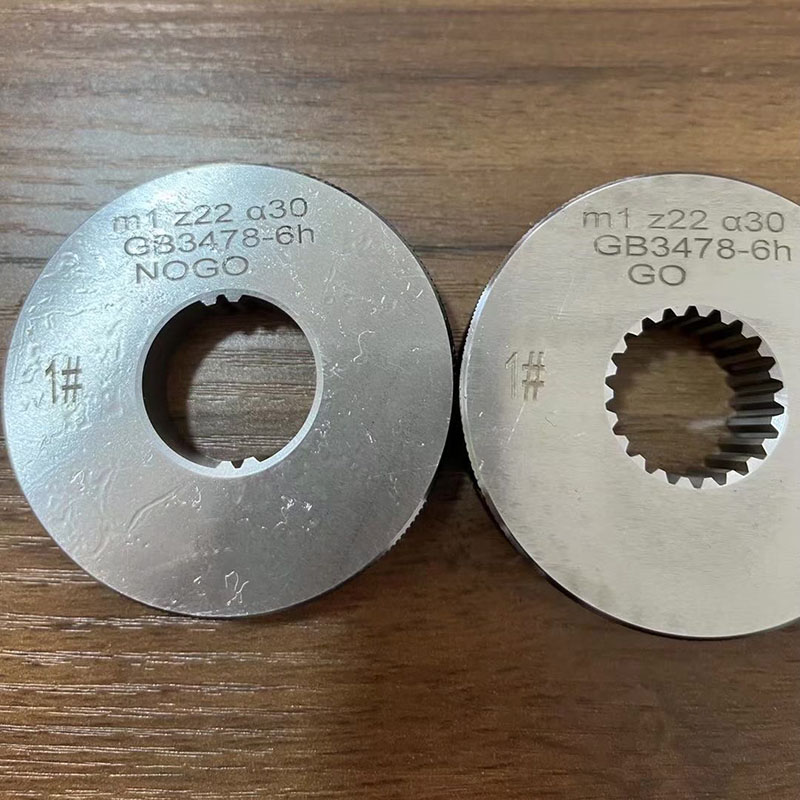
In the domain of industrial metrology and manufacturing quality assurance, ring thread gauges and snap gauge represent cornerstone instruments for achieving and verifying dimensional precision. These tools embody the technical rigor required to meet international standards where tolerance compliance is non-negotiable. This scholarly discourse examines their operational principles, engineering applications, and scientific foundations, underscoring their indispensable role in modern industrial ecosystems. The Mechanical Design and Functional Utility of Ring Thread Gauges Ring thread gauges are engineered to evaluate the geometric integrity of external threads through comparative measurement. Constructed from high-grade alloy steels with high surface hardness, these gauges feature precision-machined internal threads that conform to standardized profiles.Critical to their utility is the principle that gauges verify both the maximum material condition and the virtual condition of threads. In aerospace fastener production, for example, ring thread gauges ensure that alloy bolts adhere to strict tolerances, preventing catastrophic failures due to thread misalignment. Metrological best practices dictate periodic calibration against master thread rings traceable to national standards, ensuring measurement uncertainty remains within acceptable limits for nominal diameters. Telescoping Bore Gauge A Kinematic Solution for Complex Internal Geometry Measurement The telescoping bore gauge addresses the metrological challenge of measuring inaccessible internal diameters through a kinematic linkage mechanism. Comprising extendable probes with spherical contact tips and a central beam, this device operates on the principle of three-point measurement, where fixed anvils and an adjustable probe triangulate the bore's diameter. When paired with a dial indicator or electronic comparator, it achieves high measurement resolutions, as outlined in standards for geometric product specifications. Its utility is particularly pronounced in automotive cylinder block inspection, where deep bores necessitate tools with minimal form error. The gauge's articulated design mitigates errors by ensuring axial alignment with the bore axis, a critical factor in maintaining measurement validity. Research in precision engineering has demonstrated that proper probe lubrication reduces frictional forces, enhancing repeatability across controlled temperature ranges. Bore Gauge Micrometer Nanometric Precision in Dimensional Metrology The bore gauge micrometer represents the pinnacle of precision in internal diameter measurement, combining the screw-thread mechanism of a micrometer with a dual-anvil design optimized for bore inspection. Equipped with a thimble graduated in fine increments and a carbide-tipped spindle, this instrument achieves exceptional measurement uncertainty when used in controlled environments, as per relevant standards. Its application in medical device manufacturing is transformative, enabling verification of component bores that must adhere to extremely tight tolerances to ensure proper functionality. The instrument's thermal stability, achieved through specialized alloy components, minimizes errors induced by ambient temperature fluctuations. Metrological protocols emphasize the use of multi-point averaging around the bore to compensate for ovality, a practice codified in established metrological guidelines. Snap Gauge A Statistical Process Control Enabler for High-Volume Production Designed for attribute sampling in statistical process control, the snap gauge facilitates rapid conformity assessment of cylindrical components through fixed-limit gauging. Constructed with hardened steel anvils set to specified tolerance limits, it operates on the principle of gauge block comparability, ensuring consistency with recognized standards. The "snap" action defined by a controlled force threshold for engagement—eliminates subjective interpretation, making it ideal for automated inspection lines. In automotive power train production, snap gauges validate the diameter of critical components to within strict tolerances, supporting efficient quality control objectives by reducing inspection cycle times. Ergonomic designs with anti-slip grips and balanced leverage systems enhance operator efficiency, while durable surface treatments resist wear from extensive measurement cycles. Calibration protocols require periodic verification against master standards traceable to national measurement institutes, ensuring gauge reliability. Ring T hread G auges FAQs How do ring thread gauges ensure compliance in aerospace fastener manufacturing? Ring thread gauges play a pivotal role in aerospace fastener manufacturing by verifying the geometric integrity of external threads on critical components. These gauges methodology to ensure that alloy bolts and screws adhere to stringent tolerances, preventing assembly failures caused by thread misalignment. By conforming to standardized thread profiles and undergoing regular calibration, ring thread gauges maintain the precision required for aerospace applications, where component reliability is non-negotiable. How does kinematic design enhance the accuracy of telescoping bore gauges? The three-point kinematic design of telescoping bore gauges constrains rotational freedom, ensuring the measured diameter aligns with the bore's principal axis. This reduces the influence of form errors, as demonstrated in studies published in leading metrological journals. What materials science considerations optimize bore gauge micrometer performance? Bore gauge micrometers utilize specialized alloys for thermal stability and wear-resistant materials for contact tips. These materials ensure dimensional stability across operational temperatures and maintain measurement accuracy over extended service life. How do snap gauges contribute to statistical process control methodologies? Snap gauges enable attribute data collection, which are critical for constructing control charts in statistical process control. Their binary output supports real-time process monitoring, facilitating timely corrective actions to maintain high process capability. What is the metrological significance of calibration intervals for precision gauges? Calibration intervals balance measurement risk and operational cost. For ring thread gauges and snap gauges , regular calibration suffices under normal conditions, while telescoping bore gauge in high-precision environments may require more frequent checks to mitigate drift and environmental influences. The instruments discussed herein ring thread gauges and snap gauge —embody the intersection of mechanical engineering, metrology, and materials science. Their design adheres to fundamental geometric principles, standardized protocols, and empirical best practices, enabling industries to achieve precision levels that underpin modern technological advancement. As manufacturing tolerances continue to tighten, driven by trends like miniaturization, the scientific rigor inherent in these tools remains essential for maintaining global quality benchmarks. This academic exploration dissects two critical precision measuring tools in industrial settings. Ring thread gauges ensure thread conformity through comparative assessment, and snap gauges enable efficient quality control in high-volume production. Collectively, these tools exemplify the technical excellence required to meet international standards, underscoring their pivotal role in dimensional accuracy and process reliability.
about
mirror laminated glass
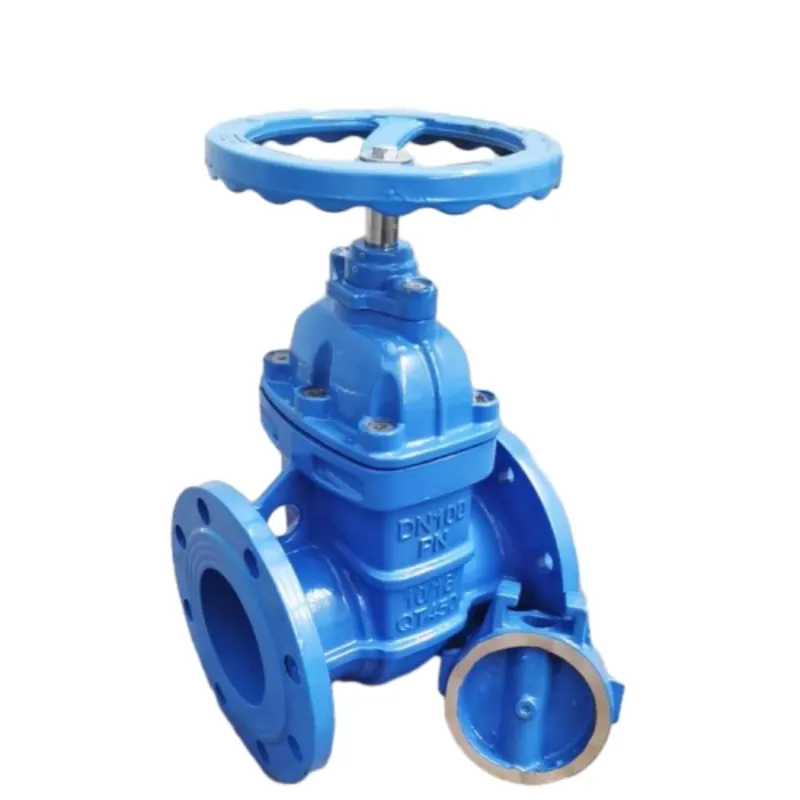
In industrial pipeline systems, maintaining unobstructed flow is critical to operational efficiency, and flanged y strainer has emerged as a key component in achieving this goal. As a wholesaler, offering cast iron y strainer and flanged strainer options alongside flanged y strainer models ensures that clients across various industries can access tailored solutions to combat pipeline clogs. Storaen (Cangzhou) International Trading Co., a leader in industrial valve manufacturing, has developed high-performance flanged y strainer products that combine durability with precision, setting new standards in pipeline protection. With a focus on quality craftsmanship, innovative design, and reliable supply chains, the company enables wholesalers to provide essential tools that minimize downtime, reduce maintenance costs, and ensure continuous operation for their clients. Flanged Y Strainer Design for Efficient Filtration The flanged y strainer is engineered with a unique design that prioritizes efficient filtration while minimizing flow disruption. Y-Shaped Structure: The distinctive Y-shaped body creates a natural pathway for fluid to pass through a cylindrical filter basket, which traps solid particles such as debris, rust, and sediment. This design ensures that impurities are captured without creating excessive resistance, maintaining optimal flow rates within the pipeline. Flanged Connections: Equipped with flanged strainer connections, the strainer forms a secure, leak-proof seal with the pipeline. This robust connection is essential for handling high-pressure applications, ensuring that the strainer remains stable even in demanding industrial environments. Durable Materials: Constructed from materials like QT450 ductile iron, the cast iron y strainer variant offers exceptional strength and resistance to corrosion, making it suitable for use with various media including water, oil, and gas. Design Feature Function Advantage Y-Shaped Structure Guides fluid through a cylindrical filter basket Traps impurities without excessive flow resistance Flanged Connections Creates a secure seal with the pipeline Prevents leaks, suitable for high-pressure applications QT450 Material Provides strength and corrosion resistance Extends service life in diverse media environments Cast Iron Y Strainer Performance in Different Media A cast iron y strainer demonstrates versatile performance across a range of media, making it a valuable asset in multiple industrial settings. Water Systems: In water distribution networks, the strainer effectively captures sediment, sand, and rust particles that can accumulate over time and cause blockages. Its mesh size is optimized to balance filtration efficiency with flow rate, ensuring clean water supply without pressure drops. Oil and Gas Applications: For oil and gas pipelines, the strainer’s finer meshtraps smaller contaminants that could damage pumps, valves, or other downstream equipment. The durable cast iron construction withstands the harsh conditions of these industries, including varying temperatures and pressures. Industrial Fluids: In manufacturing processes involving industrial fluids, the strainer protects sensitive machinery by removing particulate matter, reducing the risk of equipment failure and unplanned downtime. Media Type Cast Iron Y Strainer Application Mesh Size Range Water Captures sediment and rust in distribution networks 18-30 mesh Oil and Gas Traps small contaminants to protect downstream equipment 100-480 mesh Industrial Fluids Removes particulate matter in manufacturing processes 10-100 mesh (varies by application) Flanged Strainer Maintenance and Longevity Flanged strainer is designed for ease of maintenance, a feature that contributes to its long-term reliability and cost-effectiveness. Simplified Cleaning: The flange cover at the lower end of the Y-shaped interface can be easily unscrewed, allowing for quick removal of the filter basket. This design enables periodic cleaning or replacement of the basket without disassembling the entire strainer, minimizing downtime during maintenance. Pressure Testing Capability: Many flanged y strainer models, including those from Storaen (Cangzhou) International Trading Co., are equipped with a preset pressure testing hole. This allows for regular pressure checks to ensure the strainer is functioning correctly, helping to identify potential issues before they lead to clogs or leaks. Telescopic Design: Some models feature a telescopic structure that simplifies installation and removal, making maintenance tasks more efficient and reducing labor costs over the product’s lifespan. Maintenance Feature Benefit Operational Impact Removable Flange Cover Enables easy access to the filter basket Reduces maintenance time and downtime Pressure Testing Hole Allows for regular performance checks Helps detect issues early, preventing failures Telescopic Structure Simplifies installation and removal Lowers labor costs during maintenance Storaen (Cangzhou) International Trading Co. Product Specifications Storaen (Cangzhou) International Trading Co.’s flanged y strainer products are engineered to meet the demands of modern industrial systems, with specifications that ensure optimal performance. Parameter Detail Industrial Relevance Type Ductile Iron Y Strainer Ensures durability and strength for heavy-duty applications Port Size DN150 Compatible with medium to large pipeline systems Material QT450 Resists corrosion and withstands high pressure Media Compatibility Water Suitable for municipal and industrial water systems Operating Temperature Range -5°C ~ 85°C Functions reliably in varying environmental conditions These specifications reflect the company’s commitment to quality, leveraging its strategic location in Botou—a hub for casting excellence—to access premium materials and skilled craftsmanship. Storaen (Cangzhou) International Trading Co.’s flanged y strainer products undergo rigorous testing to ensure they meet international standards, providing wholesalers with reliable inventory that meets client expectations. Flanged Y Strainer FAQS How does a flanged y strainer prevent pipeline clogs? A flanged y strainer prevents pipeline clogs by utilizing a cylindrical filter basket within its Y-shaped structure to trap solid contaminants such as debris, rust, and sediment. As fluid flows through the strainer, impurities are captured in the basket, allowing only clean fluid to pass through to downstream components. This proactive filtration prevents these particles from accumulating and forming blockages in the pipeline, ensuring continuous flow and reducing the need for frequent cleaning or repairs. What makes a cast iron y strainer suitable for industrial use? A cast iron y strainer is suitable for industrial use due to its durable construction from materials like QT450 ductile iron, which offers high strength, corrosion resistance, and the ability to withstand high pressures and temperatures. This robustness allows it to handle harsh industrial media such as oil, gas, and industrial fluids, while its design ensures efficient filtration without compromising flow rates. Its compatibility with various mesh sizes also makes it adaptable to different industrial applications, from water treatment to manufacturing processes. How often should a flanged strainer be maintained? The maintenance frequency for a flanged strainer depends on the type of media being filtered and the level of contamination. In systems with high levels of particulate matter, such as water with significant sediment. Regular inspection of the strainer’s pressure testing hole can help determine when cleaning is needed, ensuring optimal performance and preventing clogs. Can a flanged y strainer be used with media other than water? Yes, a flanged y strainer can be used with media other than water, including oil, gas, and various industrial fluids. Its design allows for compatibility with different mesh sizes, which can be selected based on the specific media—finer meshes for oil and gas to trap small particles, and coarser meshes for water systems. The durable QT450 material construction ensures it can withstand the chemical and physical properties of these diverse media, making it a versatile solution across multiple industries. Why choose Storaen (Cangzhou) International Trading Co.’s flanged y strainer products? Storaen (Cangzhou) International Trading Co.’s flanged y strainer products are a top choice due to their high-quality construction, innovative design, and reliable performance. Leveraging the company’s expertise in industrial manufacturing and strategic location in Botou—a hub for casting excellence—these strainers are crafted from premium materials to ensure durability and efficiency. With features like easy maintenance, pressure testing capabilities, and compatibility with various media, they meet the diverse needs of industrial clients. The company’s commitment to quality control and customer satisfaction, backed by a strong supply chain, ensures wholesalers receive consistent, high-performance products that meet market demands.
-

High quality industrial productsagement

High quality industrial products
View Details -

Meet the diverse needs of customers

Meet the diverse needs of customers
View Details -

Strict quality control

Strict quality control
View Details -

Top raw materials

Top raw materials
View Details -

Trusted supplier

Trusted supplier
View Details
Our application

news and information

ventil metall
Valvemetaller En Djupdykning i deras Egenskaper och Användningar Valvemetaller är en viktig klass av

Welding and Fabrication Techniques for Efficient Metal Assembly and Construction
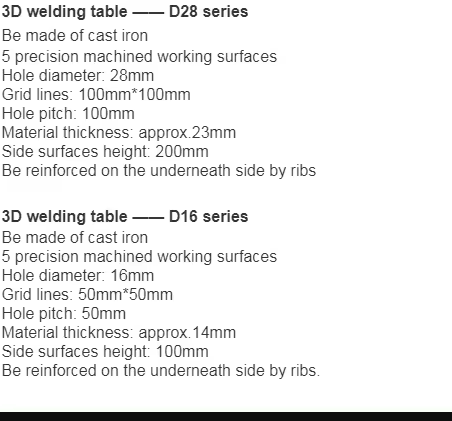
Understanding the Welding Fabrication Table A Comprehensive Overview Welding fabrication tables play
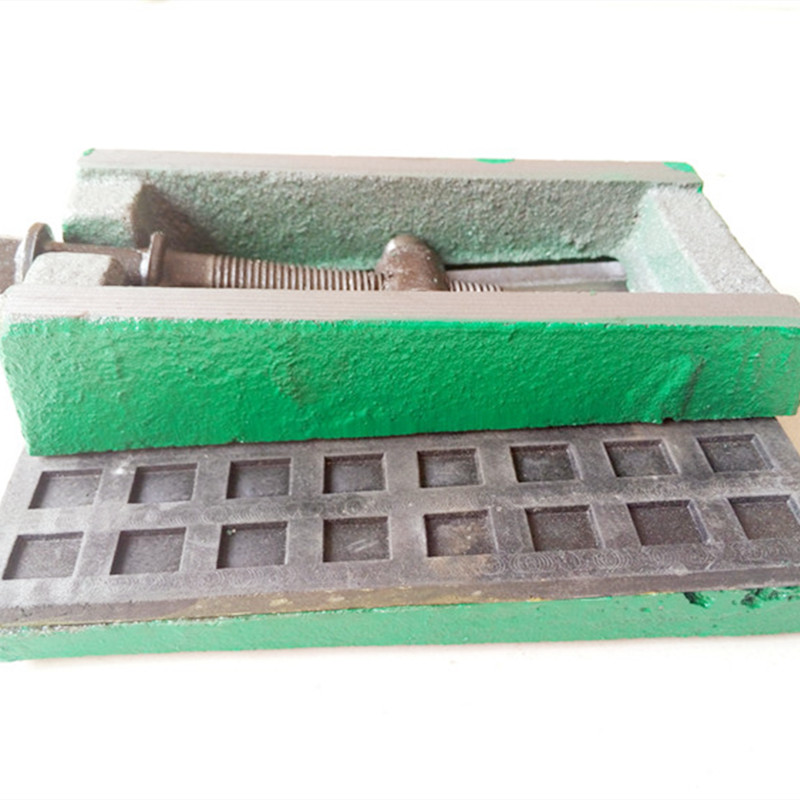
Utilisation du niveau spirituel
L'utilisation du niveau à bulle un outil essentiel pour la précision dans la construction Le niveau
 English